



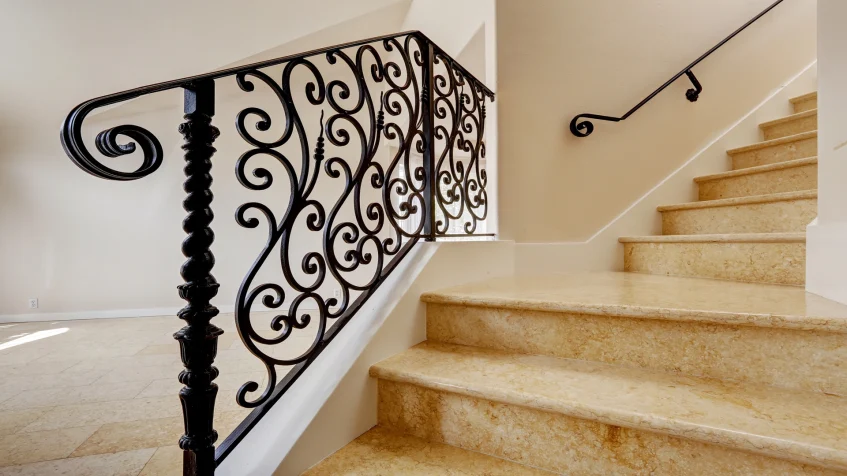
What Exactly is Wrought Iron?
Wrought iron has a long and storied history in the world of metalworking and craftsmanship. This durable and versatile material has been used for centuries to create everything from intricate gates and iron railings to sturdy tools and decorative pieces. But what exactly is wrought iron, and what sets it apart from other metals? In this blog post, we’ll dive into the fascinating world of wrought iron to explore its composition, characteristics, and its enduring appeal in modern times.
The Composition of Wrought Iron
Contrary to what its name might suggest, wrought iron is not a pure form of iron. Instead, it is an iron alloy that contains a small percentage of slag. Slag is a byproduct of iron ore processing and gives wrought iron some of its unique properties. The process of creating wrought iron involves mixing molten iron with slag and then working or “wroughting” the material while it is still in a semi-liquid state.
This combination of iron and slag results in a material that is not only strong and durable but also highly malleable. This malleability is what allows blacksmiths and artisans to shape wrought iron into intricate and decorative designs, making it a favorite choice for ornamental ironwork.
The Historical Significance of Wrought Iron
Wrought iron has been used for centuries in architectural and decorative applications. Its use dates back to ancient civilizations, where it was employed to create everything from weapons and tools to gates and railings. Its resilience and ability to withstand the test of time made it a valuable material in construction and design.
During the Victorian era, wrought iron became especially popular for decorative purposes, adorning buildings, parks, and homes with intricate and artistic ironwork. Many historic buildings and landmarks around the world still showcase the beauty and durability of wrought iron.
Modern Uses of Wrought Iron
While pure wrought iron has become less common in modern manufacturing due to advances in metallurgy and the availability of other metals, the term “wrought iron” is often used to describe forged ironwork that retains the traditional appearance and characteristics of wrought iron.
Today, wrought iron-style products are still in demand, especially for those looking to capture the elegance and charm of vintage or traditional designs. Gates, railings, fences, and decorative elements made from forged ironwork continue to grace homes and businesses, offering both functionality and aesthetics.
In conclusion, wrought iron is an alloy of iron and slag with a rich history dating back centuries. Its unique combination of strength and malleability has made it a cherished material for artisans and craftsmen throughout the ages. While pure wrought iron is less common in modern times, the legacy of wrought iron lives on through forged ironwork that preserves its timeless appeal in the world of design and architecture.