



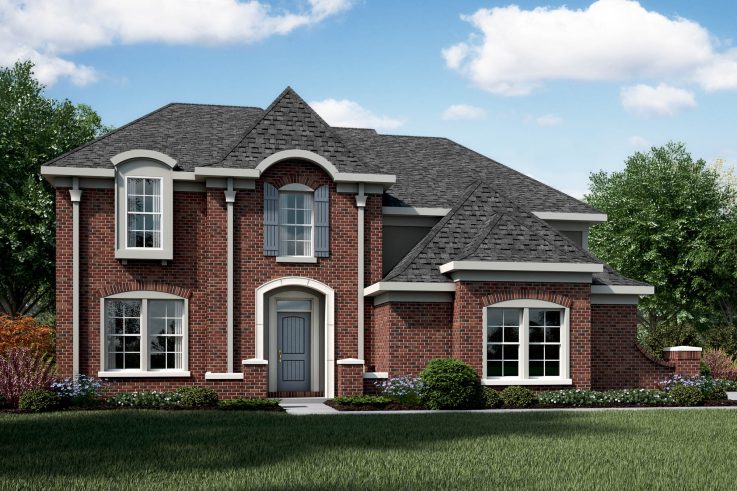
Tuckpointing near me Chicago
Tuckpointing near me Chicago is critical for maintaining both the structural strength and visual quality of brick structures. Choosing the appropriate mortar is crucial for ensuring the effectiveness and longevity of tuckpointing efforts. This guide will help you navigate the key considerations in selecting the best mortar for your tuckpointing project.
Types of Mortar Explained
It’s essential to know the different mortar types available as they vary in strength, composition, and intended use. The most commonly used types include:
- Type N Mortar:
- This medium-strength mortar is versatile for general use.
- It is appropriate for external walls and soft stone masonry that are above ground.
- Type O Mortar:
- With its low strength, it’s primarily for internal, non-load-bearing walls.
- It’s particularly good for restoring historical buildings where maintaining the original structure is key.
- Type S Mortar:
- Known for its high strength, it’s ideal for structural applications.
- Best suited for external walls and areas like patios and retaining walls that face severe weather.
- Type M Mortar:
- The highest strength mortar, suitable for load-bearing constructions.
- Generally used for foundational support and heavy masonry.
Considerations for Choosing the Right Mortar
- Matching the Original Mortar:
- It’s critical to match the new mortar to the original in terms of composition, color, and texture to preserve both the look and the integrity of the masonry.
- Accounting for Environmental Conditions:
- The mortar must withstand the specific climatic conditions it will face, especially in areas with severe freeze-thaw cycles.
- Assessing Brick or Stone Type:
- The choice of mortar should complement the hardness and porosity of the brick or stone, with softer materials requiring more flexible mortar options.
- Understanding Structural Demands:
- Evaluate if the masonry is load-bearing to determine if a stronger mortar is necessary.
- Aesthetic Matching:
- The visual aspects of mortar, including color and texture, play significant roles in the overall appearance of the finished project. Color matching may be required.
Testing and Preparing Mortar
- Professional Mortar Analysis:
- For historic restorations, getting a mortar analysis can ensure the compatibility of the new mortar with the historic material.
- Selecting High-Quality Components:
- Use the best available cement, lime, and sand to ensure the mortar performs as expected.
- Ensuring Proper Mixing:
- Correct mixing practices are essential for creating a consistent and effective mortar. It’s advisable to mix in smaller batches to maintain freshness.
Choosing the correct mortar is vital for effective tuckpointing, impacting both the longevity and aesthetics of the masonry work. Factors like the original mortar’s properties, environmental exposure, material type, structural needs, and visual preferences all influence the selection process. Consulting with a professional can provide valuable insights, especially in complex or historic masonry projects, ensuring your structure remains robust and beautiful for years to come.